By the Doormatic Installation Team | Toronto & GTA Garage Door Specialists
Garage door installation is one of the highest-impact home improvements an Ontario homeowner can undertake — improving security, energy efficiency, and curb appeal in a single job. Done correctly by a qualified garage door installer, a standard residential installation completes in 3 to 5 hours and delivers decades of reliable operation.
Doormatic provides garage door installation services across Toronto, Mississauga, and the GTA. Rated
[4.9, 1393 reviews on Google and the web], our certified technicians handle residential new garage door installations and commercial garage doors — with a workmanship warranty on every job.
What Does Garage Door Installation Actually Involve?
Garage door installation covers the removal of the existing door, preparation of the opening, assembly of door panels, installation of tracks and hardware, spring and cable tensioning, and opener connection — each stage must be completed in sequence for safe, long-term operation.
Most homeowners underestimate the complexity. A garage door isn’t a single component — it’s a system of panels, hinges, rollers, tracks, torsion springs, cables, and motors that must be calibrated to work together. Skipping or rushing any stage introduces failure points that surface months later as noise, binding, or sudden breakdown.
Doormatic technicians follow the manufacturer’s manual on every job and complete a final operational test before handover. Professional installers provide warranties on both the door and labour — something no DIY project can offer.
What Are the Main Types of Garage Doors Available for Toronto Homes?
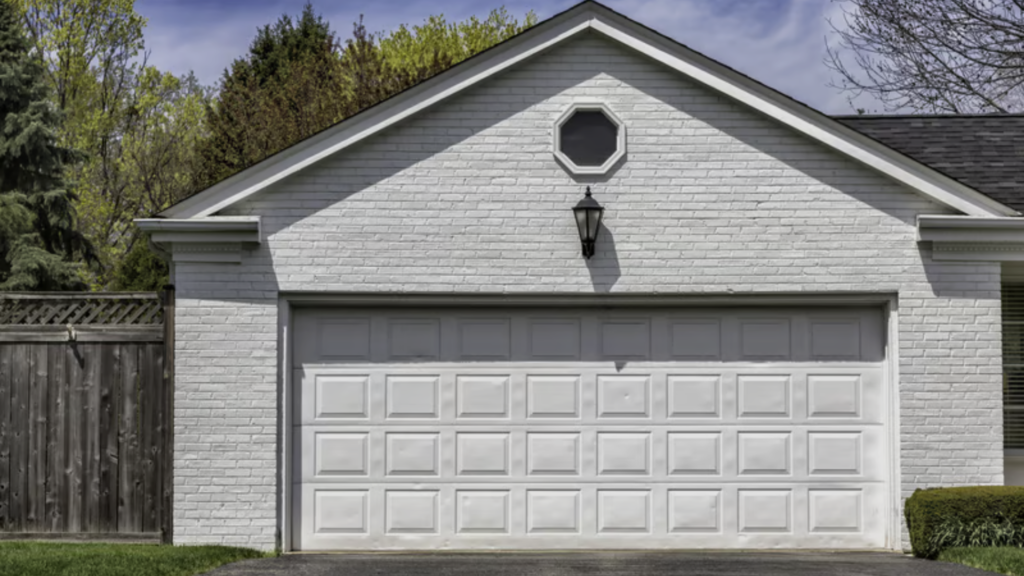
Sectional doors are the most popular choice for residential installation in Toronto — they operate vertically along ceiling tracks, suit standard ceiling heights, and are available in every material and insulation level.
- Sectional garage doors: Panels hinge together and travel along ceiling-mounted tracks. Popular for their elegant appearance, energy efficiency, and compatibility with automatic openers. Available in steel, aluminum, wood, and fibreglass.
- Roll-up garage doors: A steel or aluminum curtain that coils above the opening. Commonly used in commercial settings with limited ceiling depth.
- Automatic garage doors: Use radio-operated motors connected via a drive rail. Convenient, secure, and standard for modern residential applications. Automatic garage doors require specialized skills for installation and Ontario Building Code-compliant safety sensors.
- Manual garage doors: Simpler in construction, easier to fix, and more affordable — suited to detached garages where automation isn’t a priority.
- Double door configurations: A wide panel spanning a two-car opening, requiring precise track alignment and heavier-duty torsion springs.
Steel is the most common material across Ontario — durable, low-maintenance, and capable of carrying insulation across a wide R-value range.
Why Does Insulation Matter in a New Garage Door?
Insulated garage doors improve energy efficiency significantly — they can lower heating and cooling costs by 20–30% in an attached garage and are essential for Ontario’s freeze-thaw climate.
Insulation is measured by R-value. Insulated garage doors have an R-value ranging from 9.05 to 19.40 depending on foam core thickness. NRCan recommends a minimum R-12 door for attached garages in Toronto and Mississauga to prevent the garage from becoming a cold bridge into the home.
Beyond energy costs, insulated doors enhance temperature control in garages used as workshops or gyms, reduce outside noise, and handle thermal expansion and contraction better than non-insulated steel. For detached storage garages, a non-insulated door is practical. For any garage connected to the home’s interior, insulation is crucial for weatherproofing and long-term comfort.
What Preparation Is Required Before Garage Door Installation Begins?
Before installation starts, the opening must be measured precisely, the old door removed, the frame inspected, and the electrical circuit confirmed for opener installation.
Measure the rough opening width and height, headroom from the top of the opening to the ceiling, side room on each side, and rear clearance for horizontal tracks. These four dimensions determine which door and track system fits and whether framing modifications are needed.
In older Toronto and Mississauga homes, garage openings are often non-standard. Doormatic measures every opening before ordering. Removal of the existing door requires safely releasing torsion spring tension — garage door springs operate under extreme mechanical tension and it is standard safety practice to have spring assemblies handled by licensed professionals only.
What Are the Key Steps in Professional Garage Door Installation?
Professional garage door installation follows seven sequential stages: frame preparation, bottom panel placement, panel stacking, track mounting, spring installation, cable routing, and opener connection.
Stage 1 — Frame prep: Checked for square and plumb. Damage or non-standard dimensions addressed before any panel goes in.
Stage 2 — Bottom panel: First panel placed at floor level with weatherstrip attached — sets alignment for every panel above.
Stage 3 — Panel stacking: Remaining panels stacked and connected with hinges — each hinge pivots the vertical-to-horizontal transition.
Stage 4 — Track assembly: Vertical tracks mounted on each side, connected to horizontal tracks along the ceiling. Tracks must be plumb and parallel — misalignment causes binding or derailment.
Stage 5 — Torsion spring installation: Springs mounted on the torsion bar above the opening. Calibrated winding bars and mandatory safety gear — work gloves and safety goggles — are required. Improper handling leads to severe physical injury or structural damage.
Stage 6 — Cable routing: Cables connect bottom brackets to cable drums on the torsion bar. Correct routing ensures even tension on both sides.
Stage 7 — Opener connection: Drive rail attaches to the door header, trolley connects to the top panel bracket, safety sensors mount at floor level. All components wired, programmed, and tested.
A professionally installed door takes 3 to 5 hours. As a DIY project, the same job requires 8 to 10 hours and a helper — without accounting for the specialist skill needed for spring calibration and cable tension.
What Tools and Safety Standards Apply to Garage Door Installation?
Professional garage door installation requires power drills, socket wrench sets, levels, torque wrenches, and calibrated winding bars — along with mandatory safety gear and strict adherence to the manufacturer’s manual.
Using power drills, socket wrench sets, and levels is essential for accurate installation. Winding bars for spring tensioning are specialist tools — improvised alternatives are the leading cause of spring-related injury. Work gloves and safety goggles are mandatory for every stage involving springs and cables.
Ontario homeowners attempting door installation as a DIY project frequently underestimate the panel weight — a standard double door can exceed 150 lbs — and the forces in spring tensioning. Certified installers provide written warranties on parts and labour. When hiring, get detailed written estimates and confirm liability insurance before any work begins.
Automatic vs. Manual Garage Doors: Which Should Toronto Homeowners Choose?
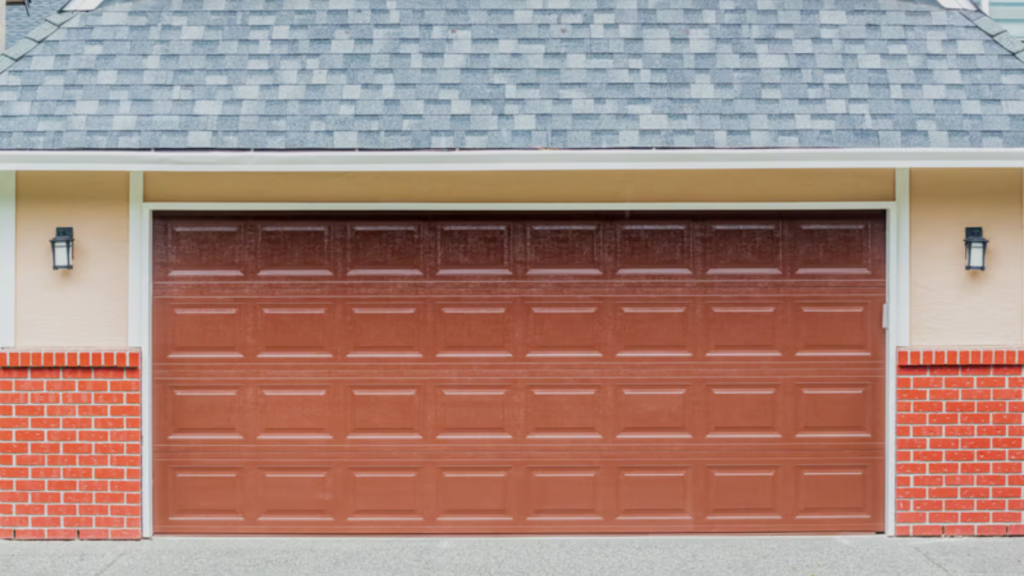
Automatic garage doors offer daily convenience, security, and smart home integration — the right choice for most Toronto and Mississauga homeowners. Manual doors suit detached garages or rental units where automation isn’t needed.
Automatic garage doors use radio-operated motors and connect via belt-drive, chain-drive, or direct-drive rail. Key features for Ontario homeowners:
- Battery backup for operation during GTA power outages
- Rolling code technology for security
- Wi-Fi connectivity for remote access
- Auto-reverse safety mechanism — required under Ontario Building Code
Manual garage doors are easier to fix than automatic ones — fewer components and simpler mechanisms. For clients managing commercial properties or rentals on a budget, manual doors remain a reliable, cost-effective option.
What Related Services Should Be Considered Alongside Door Installation?
Garage door installation services work best when paired with opener installation, weatherstripping, hardware upgrades, and any garage door repair to the surrounding frame — completing all related services in one visit reduces cost and disruption.
When installing a new garage door, consider:
- Opener installation: Match the opener to the new door’s weight — don’t reuse an old unit on a heavier insulated door
- Weatherstripping: New strip on sides and top prevents air and moisture infiltration
- Hardware upgrades: New rollers, hinges, and brackets ensure the full system wears evenly
- Window inserts: Add interior light without significantly compromising insulation on double-pane options
- Frame repair: Rot or damaged framing must be fixed before the new door goes in
Doormatic handles related services as part of the installation job where possible, so clients avoid coordinating separate contractors.
Why Doormatic for Garage Door Installation Services
Doormatic serves residential and commercial clients across Toronto, Mississauga, and the GTA. Rated [4.8, 669 reviews on Google], our team delivers quality installation and customer satisfaction on every job.
- Insured, certified technicians on every job
- Written warranty on door and labour
- Free quote — no service call fee, no obligation
- Automatic and manual garage door installation
- Related services included: opener, weatherstripping, hardware
- Same day service for urgent garage door repair
- Year round service: Toronto, Mississauga, North York, East York, and the GTA
Frequently Asked Questions
What does professional garage door installation include?
Professional garage door installation covers removal of the existing door, frame inspection and preparation, panel assembly, track and hardware mounting, torsion spring calibration, cable routing, and opener connection. Doormatic’s garage door installation services include a full operational test and written warranty on both door and labour. Most homeowners are surprised by the scope — it’s far more than hanging panels on a frame.
How do I know if I need a new garage door or just garage door repair?
If the existing garage door is under 15 years old and the issue is isolated — a broken spring, worn cables, or a failed opener — garage door repair is almost always the better investment. If the door shows widespread rust, multiple panel damage, or repeated failures, a new garage door delivers better long-term value. Doormatic assesses both honestly and recommends what makes sense for your door and budget.
How long does garage door installation take?
A standard residential garage door installation takes 3 to 5 hours with a professional installer. Automatic garage doors with opener installation run toward the longer end. Commercial garage doors and custom openings can take a full day. As a DIY project, the same job takes 8 to 10 hours and requires a helper — before accounting for the safety complexity of spring handling. Doormatic confirms time estimates at booking.
What should I look for when hiring a garage door installer?
Look for a garage door installer who carries liability insurance, provides detailed written estimates, and warranties both door and labour. Certified installers ensure better quality and are less likely to produce misaligned tracks or incorrectly tensioned springs. Doormatic offers a free quote on all garage door installation services with no obligation so you can compare properly before committing.
What automatic garage doors are best for Toronto and Mississauga homes?
For Toronto and Mississauga homes, belt-drive automatic garage doors paired with an insulated sectional door in the R-12 to R-16 range are the most practical combination — quiet for attached garages, energy-efficient for Ontario winters, and compatible with battery backup for ice storm outages. Wi-Fi connectivity adds remote access and delivery monitoring. Doormatic matches opener recommendations to door weight and ceiling height on every installation.
Conclusion
Garage door installation is a structured, multi-stage process demanding the right tools, correct sequencing, and specialist expertise — especially for spring installation and opener calibration. Most homeowners who treat it as a DIY project underestimate both the physical demands and safety risk. A professionally installed door, backed by a warranty and built to Ontario Building Code standards, is a long-term investment that returns value through energy savings, security, and years of reliable operation.
Whether you need a new garage door in Toronto, garage door installation services in Mississauga, or honest professional advice — Doormatic is ready.
Contact Doormatic today for a free quote — same day service available, certified technicians, year round across Toronto, Mississauga, and the Greater Toronto Area.
Professional Service|Quality Work|Expert Installation|Door, Windows, and, Garage Door Service Specialists|doormatic.ca|