Insulating a wood door reduces heat loss, improves soundproofing, and makes your home more energy efficient. Wood provides natural insulation and acts as a thermal and acoustic barrier — but natural wood has a lower insulating value than foam-filled steel or insulated fiberglass doors. The right approach depends on whether you have an interior door, an exterior wood door, or a solid wood door. This guide gives you what you need to know — clear, practical answers, no fluff.
Doormatic installs exterior doors, interior doors, and custom doors across Toronto, Woodbridge, and the Greater Toronto Area.
Does a Wood Door Need Insulation?
Yes — especially for exterior doors. Wood expands and contracts with temperature changes. Without sealing, exterior doors leak air and lose heat.
Toronto’s humid summers and freezing winters are demanding. Exterior wood doors need quality weather seals and protective finishes year-round. Interior doors face far less pressure — but a solid core and well-sealed frame still improve soundproofing significantly.
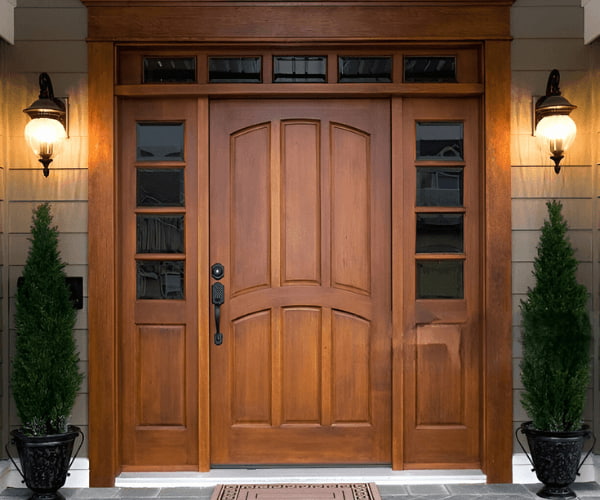
Step 1 — Assess Your Door Type
Insulation strategy differs for solid wood, hollow, and exterior wood doors. Know what you have first.
- Solid wood doors: Dense and naturally insulating. Focus on the frame, edges, and threshold.
- Hollow interior doors: Air-filled core. Upgrade with foam injection or a solid-core replacement.
- Exterior wood doors: Most vulnerable to heat loss. Need weatherstripping, door sweeps, and regular refinishing.
Engineered wood doors — a core with a natural wood veneer — resist warping. A smart choice for Canadian climates.
Step 2 — Seal the Door Frame and Edges
Air leakage around the frame causes more heat loss than the door itself. Sealing the frame is the highest-impact step.
Apply compression weatherstripping to all four sides. Pay particular attention to the hinge side. Install a door sweep at the bottom. For exterior doors, add a threshold seal.
Natural Resources Canada (NRCan) recommends sealing all gaps around door frames as a priority air-sealing measure in Canadian homes.
Step 3 — Add Insulation to the Door Itself
For hollow doors, foam injection or rigid foam fitted into the panel cavities are the most practical options.
For hollow interior doors, inject closed-cell foam through small holes drilled into the door edge. Fill the holes with wood filler and refinish.
For exterior wood doors with panel construction, cut rigid foam board to fit each panel recess. Secure with construction adhesive and cover with a thin panel.
Solid wood doors rarely need cavity insulation — focus on frame sealing.
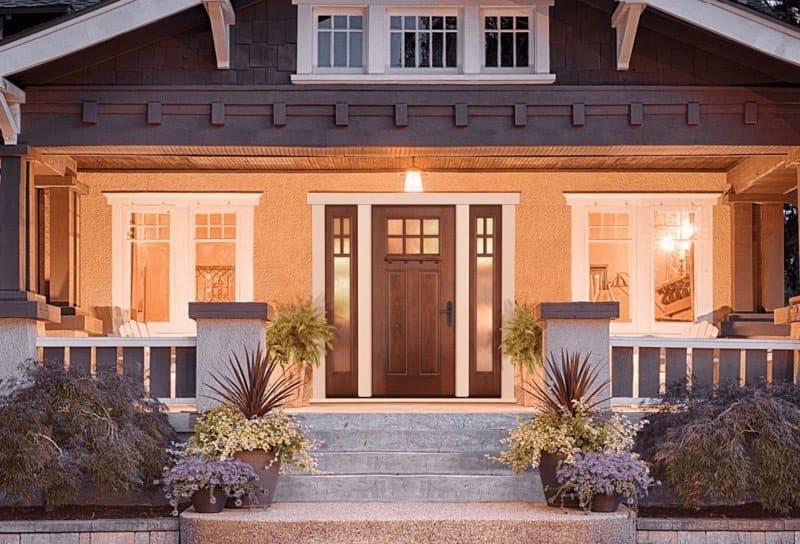
Step 4 — Refinish and Protect the Exterior Surface
Exterior wood doors need periodic refinishing. A compromised finish allows moisture ingress — the root cause of most wood door failures.
Strip peeling finish and sand lightly. Apply a high-quality exterior stain or paint rated for your climate. This protects the natural beauty of the wood grain.
Mahogany holds a finish exceptionally well and resists moisture and decay. White oak handles physical wear. Douglas fir offers strength and warmth. For custom exterior wood doors with carved designs, apply finish into all recesses.
When to Replace Rather Than Insulate
If the wood door shows widespread rot, cracking, or warping that affects frame fit, replacement delivers better long-term value.
No weatherstripping compensates for a door that no longer fits its rough opening. Replace when:
- The door sags or sticks despite hinge adjustments
- Rot has penetrated the core
- The frame gap is too large to seal
Custom doors fit non-standard openings and boost curb appeal and resale value.
Why Doormatic for Wood Door Supply and Installation
Doormatic installs solid wood doors, exterior doors, and custom doors across Toronto, Woodbridge, and the GTA.
- Custom exterior wood doors: mahogany, oak, Douglas fir
- New door installation with frame assessment
- Modern doors, traditional doors, and custom door designs
- Free quote, transparent pricing
- Workmanship warranty on every installation
Frequently Asked Questions
How do I insulate a solid wood door?
Solid wood doors are naturally dense and provide good thermal resistance. Focus on the frame — apply compression weatherstripping to all four sides and a door sweep at the base. Check panel recesses for gaps and apply flexible sealant. Solid wood doors offer superior soundproofing when the frame is properly sealed.
Can I insulate an exterior wood door without replacing it?
Yes — in most cases. Add weatherstripping, a door sweep, and a threshold seal. For panel recesses, cut rigid foam board to fit and secure with construction adhesive. Refinish the outer surface to prevent moisture ingress. Replace rather than insulate only if the door shows widespread rot, cracking, or a frame gap too large to seal properly.
What is the best wood for an exterior door in Canada?
Mahogany is the best choice for Canadian climates — dense, moisture-resistant, and durable. White oak handles wear and moisture well. Douglas fir offers excellent strength. Avoid pine for exterior use — it’s too soft and absorbs moisture readily. Custom exterior wood doors in these species perform reliably through freeze-thaw conditions.
Do modern doors insulate better than traditional wood doors?
Insulated steel and fibreglass doors typically outperform solid wood on thermal resistance. Solid wood doors with proper frame sealing and maintained finish still perform well in Canadian climates. Custom doors can include insulated cores without sacrificing wood aesthetics. For maximum energy efficiency, choose a door style with an insulated core.
How do I maintain a wood exterior door to preserve its insulation?
Refinish the exterior surface every 1–3 years depending on sun and weather exposure. Check weatherstripping annually and replace any compressed or cracked sections. Inspect the door frame for gaps each autumn. Lubricate hinges and locks to prevent sticking. A well-maintained exterior wood door retains its natural beauty, structural integrity, and thermal performance for years.
Conclusion
Insulating a wood door means sealing the frame, adding weatherstripping and a door sweep, and injecting foam into hollow doors. The frame is almost always where heat loss occurs. If the door is deteriorating, a new door delivers better long-term value.
Doormatic helps homeowners across the GTA choose, install, and maintain wood doors that perform through every Canadian season.
Contact Doormatic for a free quote on door supply and installation across Toronto, Woodbridge, and the Greater Toronto Area. Call 416-722-6595, email info@doormatic.ca, or visit us at 180 Trowers Rd, Woodbridge, ON L4L 8A6.