By Doormatic Technical Staff | Certified Windows & Doors Specialists, Woodbridge, ON
In Ontario, energy-efficient windows must meet ENERGY STAR Canada v5.0 — a U-factor of 1.22 W/(m²·K) or lower. Triple-pane windows exceed that standard and are the right call for most Woodbridge homes. This guide covers U-factor, glass packages, and rebates. Doormatic installs energy-efficient window replacement across the GTA.
Key Takeaways
- Windows account for up to 25% of a home’s heat loss — the single largest envelope upgrade available
- ENERGY STAR Canada v5.0 requires a U-factor of 1.22 W/(m²·K) or lower — one national standard, no climate zones
- Triple-pane windows achieve an R-value as high as R-8; double pane typically achieves R-3 to R-5
- Replacing single-pane windows with double or triple pane can save up to 30% on heating costs
- Triple-pane windows cost 10–15% more than double pane but can save an additional 2–3% on annual energy bills
The Short Answer
For Ontario’s climate — freezing winters, humid summers, and frequent freeze-thaw cycles — triple-pane windows are the stronger choice for most homes. They achieve a U-factor of 0.8–1.2 W/(m²·K), significantly below the ENERGY STAR Canada v5.0 minimum of 1.22, and they reduce drafts, condensation, and outside noise more effectively than double pane.
The one condition that flips it: if your existing windows are double pane installed after 2010 and in good condition, the payback on an upgrade to triple pane extends past 15 years. In that case, air sealing and weatherstripping deliver better short-term return on investment. The glass package matters, but the installation quality and frame seal matter just as much — a poorly installed window loses most of its thermal advantage at the frame, regardless of how many panes it has.
Side-by-Side Comparison
Comparison Table
| Attribute | Single Pane | Double Pane | Triple Pane |
|---|---|---|---|
| U-factor (W/m²·K) | 5.0–6.0 | 1.0–1.2 (quality; with Low-E + argon) | 0.8–1.2 |
| R-value | R-1 | R-3 to R-5 | R-5 to R-8 |
| ENERGY STAR v5.0 eligible | No | Yes (with Low-E, argon) | Yes |
| Argon gas fill | No | Optional/standard | Standard |
| Low-E coating | No | Optional/standard | Standard (multi-coat) |
| Noise reduction | Minimal | Moderate | Excellent |
| Ontario rebate eligible | No | Yes (program-dependent) | Yes (highest tier) |
| Typical lifespan | 15–20 yrs | 20–25 yrs | 25–30 yrs |
Cost
Double-pane windows in Ontario typically run C$400–C$900 per window installed, depending on size, frame material, and configuration. Triple-pane windows run C$600–C$1,400 per window installed — approximately 10–15% more than a comparable double-pane unit. The average household spends about C$2,200 annually on energy; window upgrades typically recoup 10–25% of that through reduced heating costs.
Double Pane in Detail
Double-pane windows use two layers of glass separated by a sealed argon gas-filled spacer. Argon gas fills significantly enhance thermal performance compared to air-filled units. A quality double-pane window with Low-E coating on surface 3 and argon fill achieves a U-factor of 1.0–1.2 W/(m²·K) — meeting ENERGY STAR Canada v5.0’s ≤1.22 threshold. Without Low-E coating and argon fill, a basic double-pane unit typically reaches only 1.6–2.8 W/(m²·K) and does not meet the current standard. Always confirm the full glass package specification, not just the pane count. Warm-edge spacers further reduce heat loss and condensation risk along the frame.
For a comparison of window styles that work well with double-pane glass packages, see the Doormatic blog on window style selection.
The Caveat Most People Miss
A double-pane window installed without Low-E coating and argon gas will not meet ENERGY STAR v5.0 and delivers far less thermal performance than its label suggests — always confirm the glass package, not just the pane count.
Triple Pane in Detail
Triple-pane windows add a third layer of glass, creating two sealed cavities both filled with argon or krypton gas. The extra pane and additional gas fill drop the U-factor to 0.8–1.2 W/(m²·K) — up to 50% more efficient than a comparable double-pane unit. Triple-pane windows provide better sound insulation than double pane, reduce drafts and condensation near the glass, and are ideal for colder climates like Ontario’s interior and northern regions.
Time and Effort
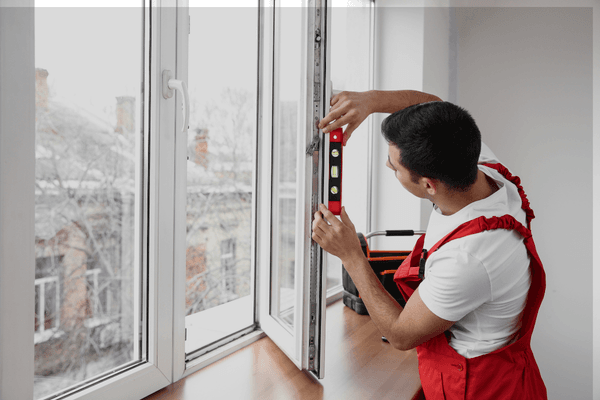
Both double and triple-pane installations take the same amount of time per window — typically 30–60 minutes per unit for a straightforward replacement in an existing frame. The frame condition and rough opening size have more impact on installation time than the glass package. A full-house replacement of 12–15 windows typically takes 1–2 days regardless of whether double or triple pane is specified. Proper installation is critical for maximizing window performance — a poorly installed window loses most of its thermal advantage at the frame seal.
Outcome and Risk
Double pane in good condition with Low-E and argon achieves ENERGY STAR certification and delivers meaningful energy savings versus older windows. Triple pane delivers higher performance but the incremental gain over a quality double-pane unit narrows significantly in mild coastal zones. For Woodbridge and the 905 belt — where January temperatures regularly fall below -15°C — the triple-pane performance advantage is real and measurable on heating bills. The primary risk with either option is installation quality: air leakage at the frame accounts for more heat loss than the glass package in most retrofit situations.

When Double Pane Is the Right Call
Your existing windows are already double pane from 2010 or later. The payback period on upgrading to triple pane from a functional double-pane unit exceeds 15 years in most Ontario homes. A quality ENERGY STAR-certified double-pane unit with argon fill and Low-E coating already achieves a U-factor well within current standards. Directing that budget toward air sealing, weatherstripping, and frame insulation delivers a faster return on whole-home energy performance.
You are replacing windows in a mild-exposure south or west-facing room. South-facing windows with a high solar heat gain coefficient (SHGC) value contribute passive solar gain in winter — allowing the sun to heat the home through the glass and reducing reliance on mechanical heating. A double-pane unit with a high-SHGC Low-E coating on surface 2 captures more of that solar heat than a triple-pane window, where the additional glass layer slightly reduces visible light transmission. In a south-facing room, passive solar gain can meaningfully offset the thermal advantage of the third pane.
Budget is a constraint and the priority is whole-home coverage. Installing ENERGY STAR-certified double-pane windows across all 12–15 openings in a home typically costs 10–15% less than specifying triple pane throughout. Where budget requires a choice, full coverage in double pane — with argon fill and Low-E on every unit — outperforms partial coverage in triple pane on whole-home energy savings. A well-specified double-pane window with warm-edge spacers and proper installation will reduce heat loss, lower energy bills, and qualify for available rebate programs.
When Triple Pane Is the Right Call
You are replacing single-pane windows in a pre-1990 Ontario home. Replacing single-pane windows with triple pane can save up to 30% on annual energy bills. The thermal gap between single pane (U-factor 5.0–6.0) and a quality triple-pane unit (U-factor 0.8–1.2) is the largest performance jump available in residential window replacement — and it is immediately noticeable in room comfort during Ontario’s winters. Windows account for up to 25% of a home’s heat loss; eliminating that pathway through single-pane glass is among the highest-return envelope upgrades available. For vinyl windows in a triple-pane configuration, Doormatic carries stock across the full size range.
The room faces north or is above an unheated space. North-facing windows receive no direct solar gain and experience the highest cold-side temperature differentials in Ontario winters. Triple-pane glass with argon gas fills in both cavities and multi-coat Low-E delivers measurably lower radiant cold sensation near the glass — the comfort improvement is immediate after installation. Rooms above unheated garages or crawlspaces experience similar conditions from below; triple-pane windows help maintain consistent indoor temperatures without increasing thermostat settings.
Noise reduction is a priority alongside energy efficiency. Triple-pane windows provide better sound insulation than double pane — the additional glass layer and two sealed gas cavities dampen outside noise significantly more than a double-pane unit. The sound insulation improvement is measurable in standard tests and noticeable in daily use. For homes near arterial roads, rail lines, or within 2 km of Pearson airport’s flight paths, the acoustic benefit alone often justifies the triple-pane premium. Modern energy-efficient windows in a triple-pane configuration can improve a home’s aesthetic appeal, indoor comfort, and acoustic environment simultaneously.
What Most People Get Wrong
The ENERGY STAR label does not guarantee the right window for Ontario’s climate — and the U-factor minimum is a floor, not a target.
ENERGY STAR Canada v5.0 sets a single national minimum — a U-factor of 1.22 W/(m²·K) or an Energy Rating of 34. A window that just meets the minimum passes in the same column as one that significantly exceeds it. The pre-2020 framework used three climate zones; many guides and product listings still reference “Ontario’s climate zone” or a U-value of 1.4 — that data is six years out of date and describes a lower standard than current requirements.
The correct approach is to look at the full U-factor number, not just the certification badge. ENERGY STAR-certified windows are approximately 20% more energy-efficient than the average non-certified window — but a window at the top of the certified range performs very differently from one at the minimum threshold. Two windows can both carry the ENERGY STAR label and perform at opposite ends of the performance spectrum.
The second misconception is that triple pane is always worth the premium. Replacing double-pane windows that are in good condition and properly sealed typically extends the payback period beyond 15 years. Energy savings of an additional 2–3% annually from upgrading double to triple pane take a long time to offset the cost difference when the baseline is already ENERGY STAR certified. The decision should be based on the actual U-factor of the existing unit, not an assumption about double pane as a category.
Ask your installer for the specific U-factor and Solar Heat Gain Coefficient of the unit being quoted, not just whether it is ENERGY STAR certified. Inert gas fills like argon or krypton significantly improve thermal performance — a double-pane window with argon fill and Low-E coating can outperform a triple-pane window without them. For a detailed comparison of window styles and how glass packages interact with each configuration, see casement vs slider vs awning windows for Ontario homes.
What We Recommend for Woodbridge Homeowners
Doormatic’s position, stated plainly: for most Woodbridge and GTA homeowners replacing windows in a pre-2000 home, triple-pane windows in a vinyl or composite frame with argon gas fill and multi-coat Low-E represent the best long-term investment. The 10–15% premium over double pane is recovered through lower heating bills, higher resale value, and the noise reduction benefit — which adds material comfort in Woodbridge’s busier corridors.
For homes built after 2000 that already have functioning double-pane units, we recommend a window audit before replacement — identifying where air leakage is occurring often reveals that weatherstripping and frame sealing will achieve 80% of the energy benefit at 20% of the replacement cost.
For a related performance consideration on the building envelope, see how energy-efficient garage doors in Woodbridge can reduce heating costs — the same U-factor and air-leakage logic applies to every opening. We also offer garage door in Woodbridge.
For homeowners in the King City area, our King City window service covers the full range of casement, awning, double hung, fixed, bay, and bow configurations — written quotes with U-factor and SHGC specifications on every unit. Energy-efficient windows can improve a home’s comfort, reduce heating bills, and enhance resale appeal.
Book energy-efficient window replacement with Doormatic and receive a written quote specifying U-factor, SHGC, and glass package before any work begins.
Frequently Asked Questions
Are triple pane windows worth it in Ontario?
Yes, for most Ontario homes. Triple-pane windows achieve a U-factor of 0.8–1.2 W/(m²·K) — up to 50% more efficient than a comparable double-pane unit. The 10–15% cost premium is recovered through lower heating costs, better outside noise reduction, and reduced condensation. For homes replacing single-pane windows, payback is typically 8–12 years.
What is the best glass package for Ontario energy-efficient windows?
Triple-pane glass with argon gas fill in both cavities, multi-coat Low-E on surfaces 2 and 5, and warm-edge spacers. This achieves a U-factor below 1.0 W/(m²·K) — below the ENERGY STAR Canada v5.0 minimum of 1.22. Confirm the specific U-factor and SHGC, not just the energy star certified badge.
What ENERGY STAR rating do windows need in Ontario?
ENERGY STAR Canada v5.0, effective January 2020, sets one national standard: a U-factor of 1.22 W/(m²·K) or lower, or an Energy Rating of 34 or higher. The previous three climate zone framework was eliminated in 2020. Any reference to “Ontario’s climate zone” or a U-value of 1.4 is pre-2020 data.
Do energy-efficient new windows qualify for rebates in Ontario?
Yes. Ontario utility rebate programs and federal energy programs have historically offered incentives for ENERGY STAR-certified window upgrades. The Canada Greener Homes Grant is closed to new applications — confirm which provincial or utility rebate programs are currently open with your installer before specifying products. Doormatic advises on current rebate availability as part of every quoting process.
About Doormatic
Doormatic is a Woodbridge-based windows and doors company providing energy-efficient window replacement for residential and commercial properties across the Greater Toronto Area. Our certified installers specify U-factor and SHGC on every unit, carry argon-filled double and triple-pane stock, and provide written quotes before work begins. Energy-efficient windows can decrease your household carbon footprint while improving indoor comfort year-round.
Service Area
Doormatic serves Woodbridge, Vaughan, North York, Toronto, Mississauga, Brampton, Richmond Hill, Aurora, and King City. NAP: 180 Trowers Rd Unit 23, Woodbridge, ON L4L 8A6 · 416-722-6595 · info@doormatic.ca.
Next Step
Book a window audit or get a written quote with U-factor specifications. Energy-efficient window replacement — Woodbridge and the Greater Toronto Area.